In our experience as a marine engineering company, many engine failures can be traced back to components that were accepted without a proper dimensional inspection or non-destructive testing. Whether the engine is newly manufactured, overhauled, or sourced from a second-hand supplier or shipbreaking yard, every critical component should be verified against OEM specifications before installation.
At RA Power Solutions, we conduct on-site inspections of marine engines, diesel engines, and power generation equipment to ensure that crankshafts, connecting rods, cylinder liners, bearings, cylinder heads, and other critical components meet the manufacturer's dimensional tolerances and quality requirements. We also assist shipowners, repair yards, and power plants with technical consultation, supplier qualification, quality assurance (QA), and quality control (QC) inspections worldwide.
Our inspection reports provide the technical information required to support maintenance planning, reduce the risk of premature failures, and satisfy the documentation requirements of classification societies such as DNV, ABS, and Lloyd's whenever applicable.
Over the years, we have inspected both new and second-hand marine engines and diesel engine components at shipyards, repair workshops, power plants, and supplier facilities. Before any component is accepted, we verify that all critical dimensions, machining tolerances, and material conditions meet the original manufacturer's specifications.
Our engineers undertake technical consultation, supplier qualification, on-site inspection, QA/QC supervision, and inspection planning for marine, offshore, and power generation applications.
Where contract specifications require additional quality documentation, we prepare Quality Control Plans (QCP) and inspection procedures to suit the project requirements.
During inspections, we evaluate major engine components, including:
Each component is inspected to verify dimensional accuracy, surface condition, wear pattern, machining quality, and compliance with OEM tolerances before it is approved for service.
For crankshaft inspection, we typically check the following:
These measurements are critical for maintaining proper hydrodynamic lubrication and preventing premature bearing failures after installation.
We frequently perform inspections at supplier manufacturing facilities and overhaul workshops before components are dispatched.
Where required, our engineers prepare quality control plans (QCP), inspection procedures, and acceptance criteria according to the project contract.
Our engineers undertake a complete on-site inspection of:
Second-hand marine engine components recovered from shipbreaking yards require detailed verification before reuse.
We inspect and certify components sourced from shipbreaking yards according to the client's inspection requirements. Depending on the project scope, inspections may include dimensional verification, material testing, non-destructive testing, and documentation review before the components are approved.
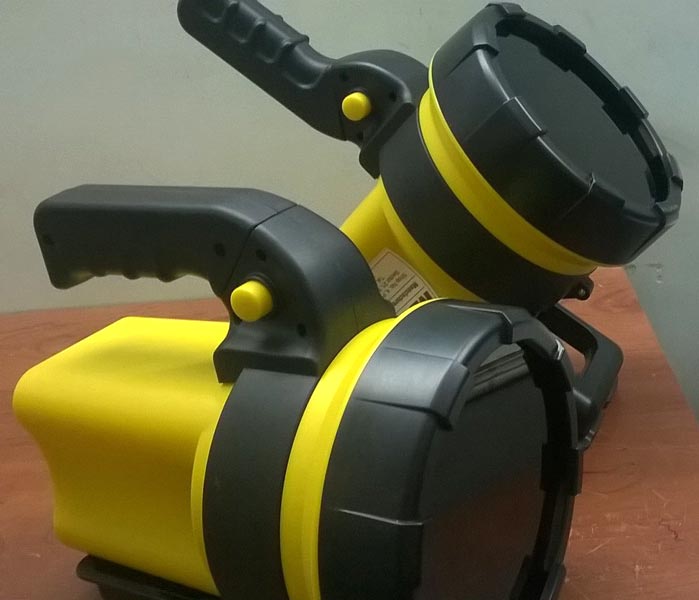
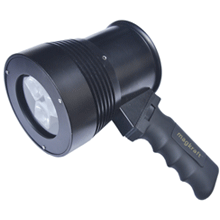
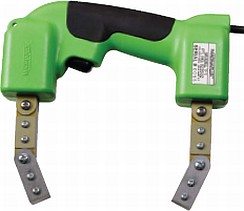
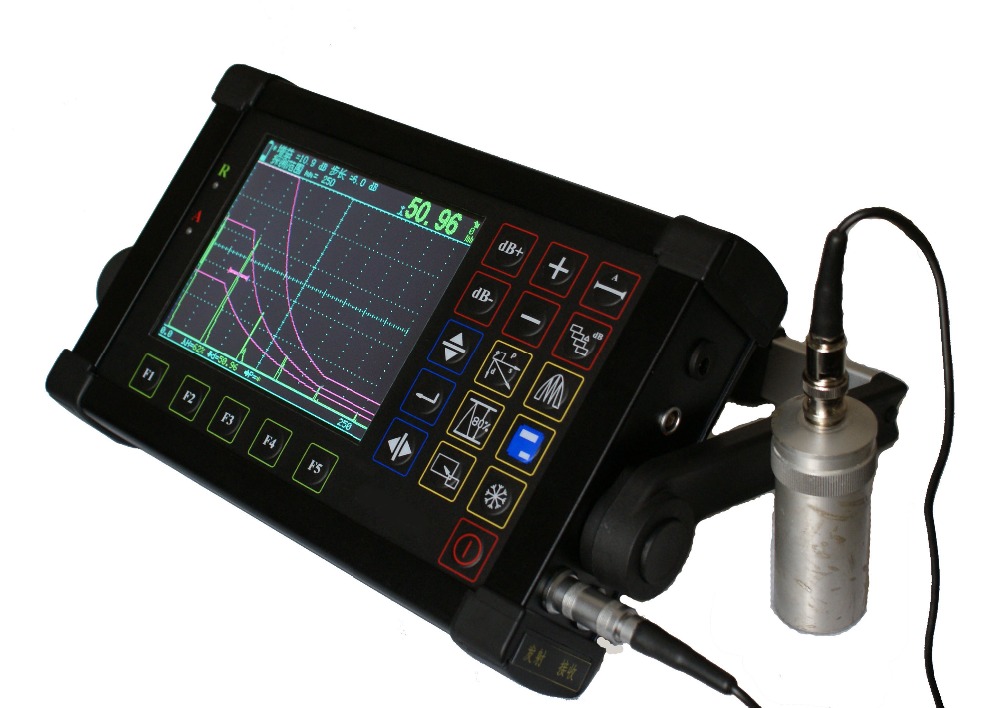
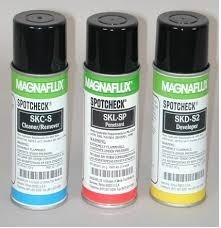
Where required, we carry out the following non-destructive testing during inspection:
These tests help identify surface and subsurface defects without affecting the serviceability of the component.
Measurements are compared with OEM tolerances, and inspection reports are prepared for customer records and technical acceptance.
Based on our inspection findings, we also undertake Onsite Crankshaft Repair, In Situ Crankshaft Repair, Insitu crankshaft repair, On Site Crankshaft Repair, In situ crankshaft grinding, InSitu Crankshaft Grinding, and Onsite Crankshaft grinding using our specially designed Onsite Crankshaft grinding machine. Our field engineers provide onsite crankshaft grinding services, including crankshaft polishing services, onsite crankshaft grinding and polishing, and complete onsite crankshaft grinding and repair at the vessel's location or power plant. Carrying out these repairs on-site eliminates the need to remove the crankshaft, minimises vessel downtime, and ensures all machining and inspection work is completed within OEM tolerances before the engine is returned to service.