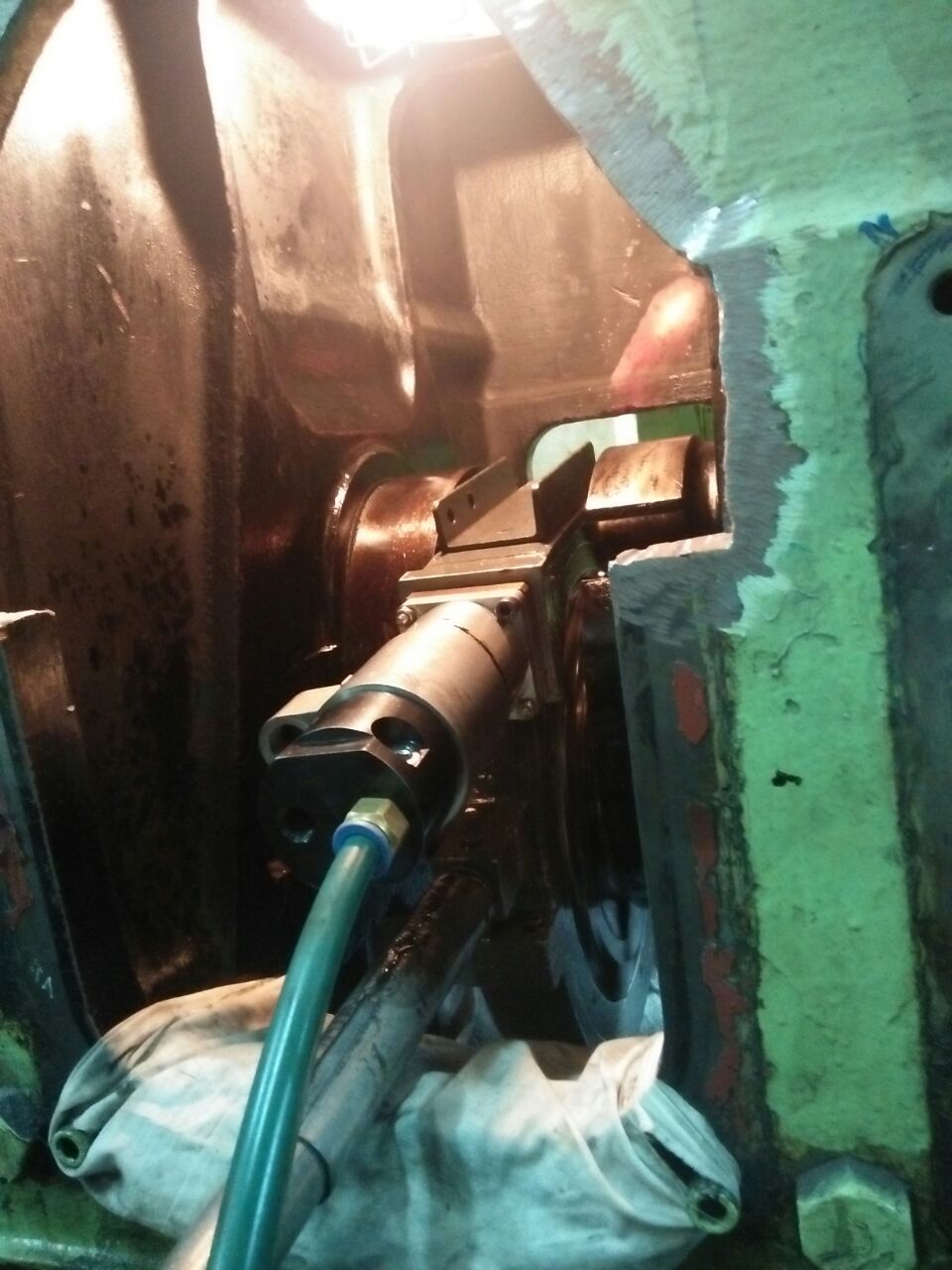
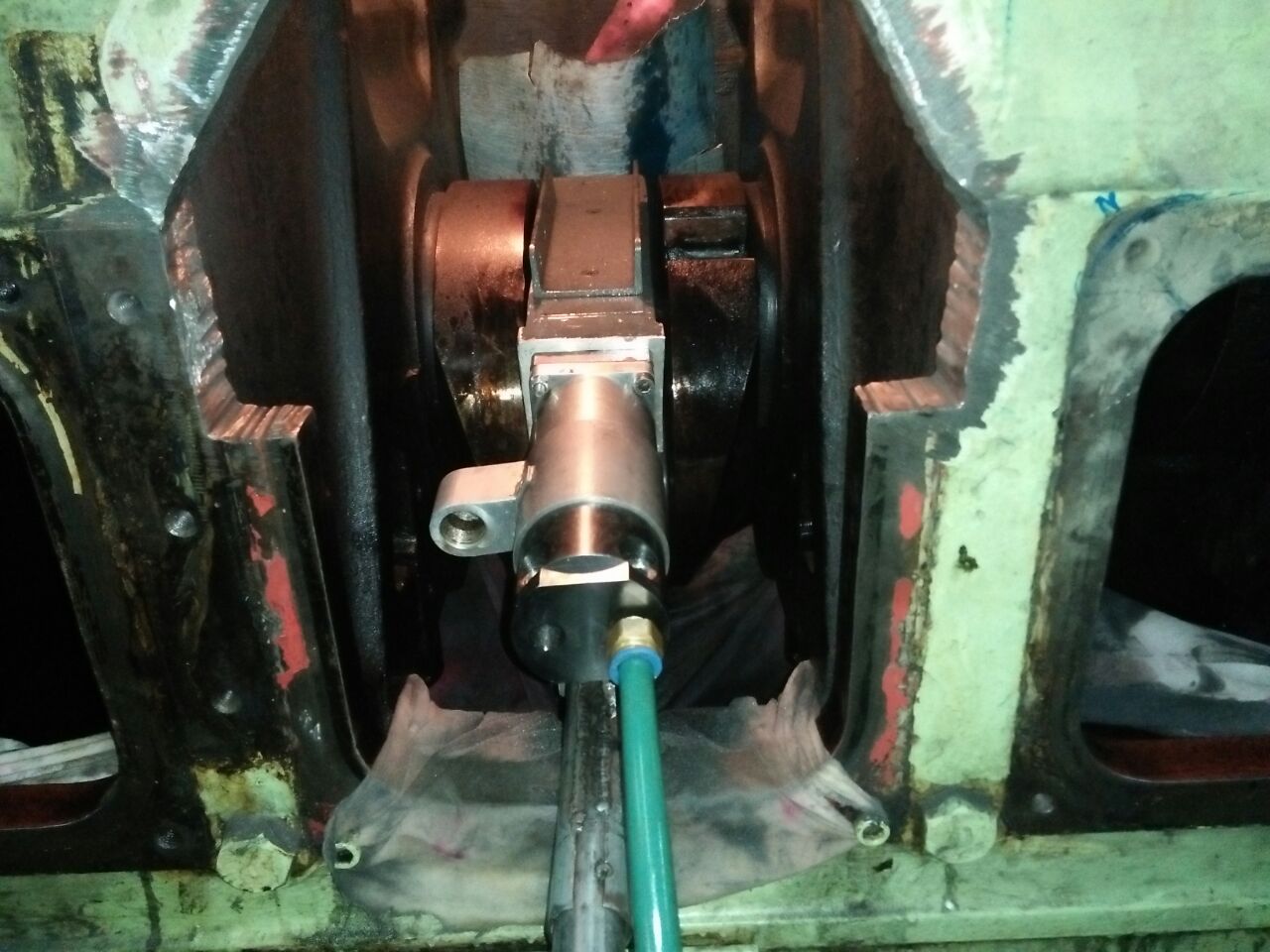
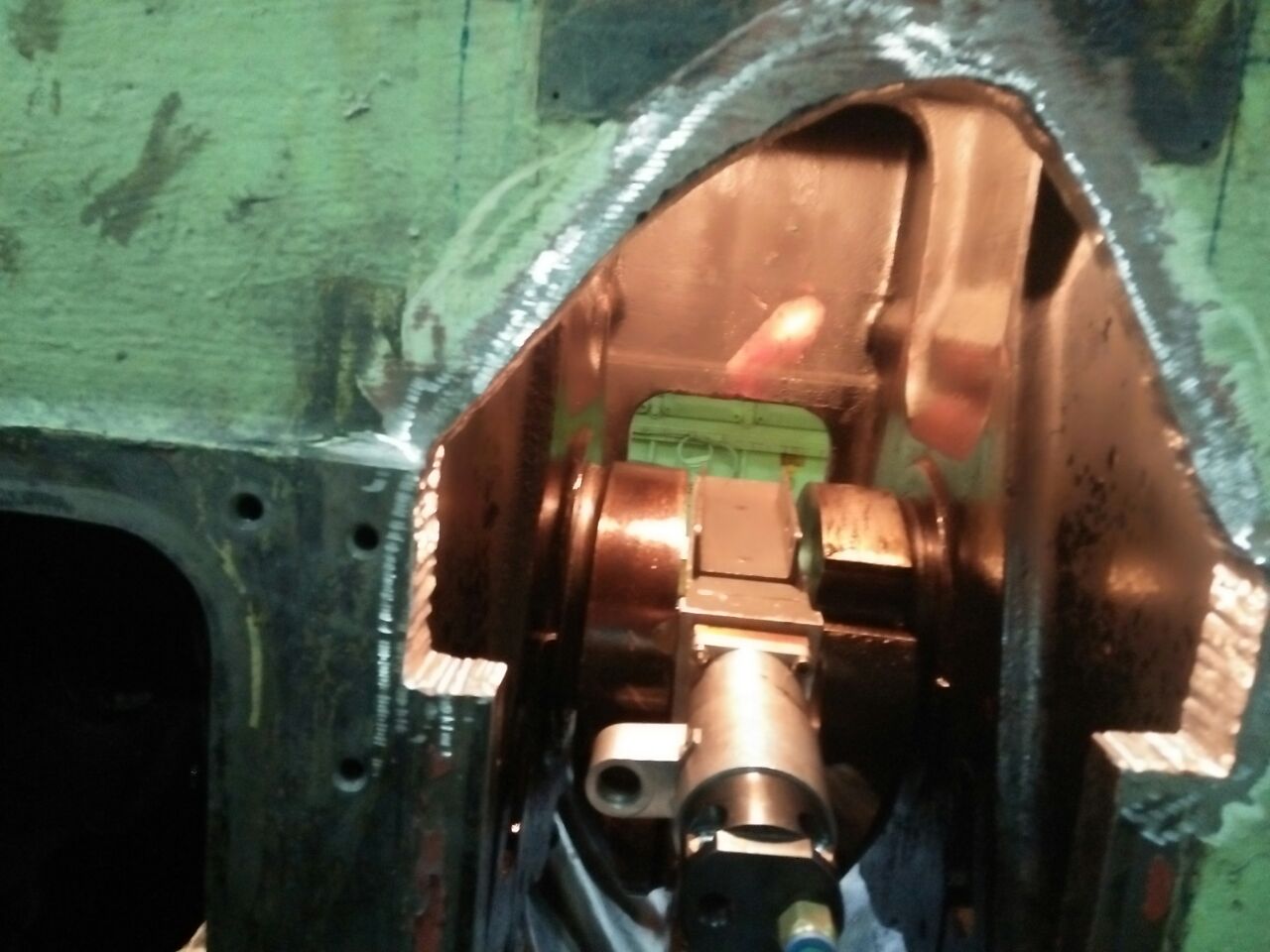
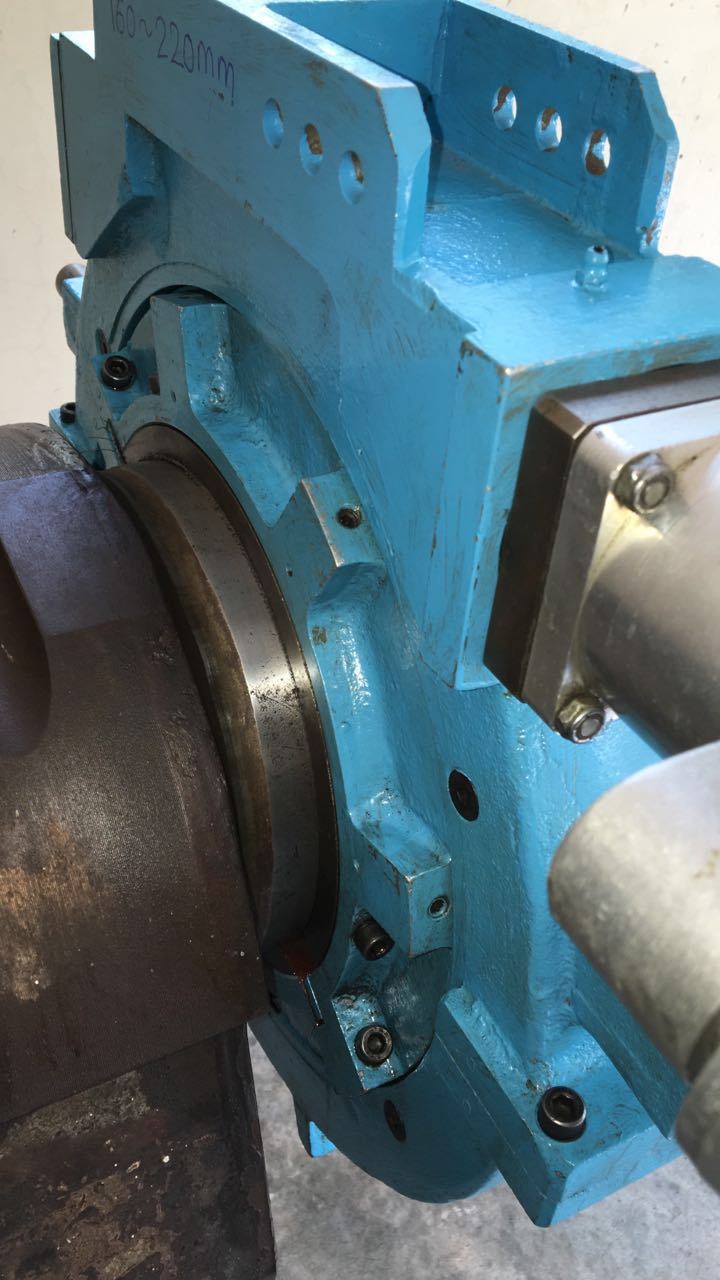
RA Power Solutions carries out in situ machining services on marine engines, power plants, offshore equipment, and industrial machinery where dismantling large components is either impractical or would result in unnecessary downtime. Often, removing a crankshaft, rotor shaft, turbine shaft, alternator shaft, or compressor rotor means opening up the machinery, arranging heavy lifting, transporting the component to a workshop, and waiting for repairs before reassembly. By machining the component in place, we avoid that process and return the equipment to service sooner.

In Situ Machining Services for Marine Engines
From our experience onboard vessels and at power generation facilities, the decision between workshop repair and in-situ machining often comes down to operational constraints. During an emergency breakdown or a scheduled maintenance window, carrying out machining onsite can significantly reduce repair time while maintaining the dimensional accuracy specified by the OEM.
We routinely machine and recondition worn journals, bearing seating areas, flange faces, housings, and other critical components. Before any machining begins, we inspect the component for wear, taper, ovality, surface damage, and alignment. Journal dimensions, fillet radius, and Ra surface finish are checked throughout the repair to ensure the finished component remains within the specified tolerances. Where undersize machining is required, compatible undersize bearing shells are selected in accordance with OEM regrind limits.

Where a component has cracks or localised damage, we assess whether it can be restored using cold repair techniques such as metal stitching and metal locking. These methods do not need welding and do not cause heat-induced distortion, making them suitable for engine blocks, turbine casings, compressor housings, and other critical cast iron or cast steel components. Once the repair is complete, we verify all critical dimensions before carrying out any required in situ machining to ensure the component meets OEM specifications and is ready for service.
Whether we carry out the work alongside, during drydock, or at an industrial plant shutdown, our approach remains the same. We measure first, machine only where necessary, and verify every critical dimension before returning the equipment to operation. That helps maintain correct bearing geometry, hydrodynamic lubrication conditions, and reliable long-term performance of the machinery.